






· By P C
What Are Terpenes? A Plain-English Guide to Hemp's Best-Kept Secret
Ever opened a hemp product and thought, “Okay, but why does it smell like that?”
Maybe it’s citrusy. Maybe it’s earthy and herbal. Maybe it has a floral note that reminds you of lavender, or a peppery edge that makes you think of a spice cabinet.
Meet terpenes.
They’re tiny aromatic compounds found throughout the plant world, and they’re a big part of what makes hemp and cannabis smell, taste, and feel distinct as plant-based wellness products. They’re also behind many of the conversations around full-spectrum hemp, botanical ingredients, and the so-called “entourage effect.”
Let’s make the whole thing a little less mysterious.
So, what are terpenes?
Terpenes are aromatic compounds produced by many plants. They help create the recognizable scents of oranges, lavender, pine trees, rosemary, mint, and plenty of other familiar plants.
In hemp and cannabis, terpenes are produced in the plant’s trichomes: the tiny, resin-producing structures where cannabinoids such as CBD and THC are also made.
In plain English: terpenes are part of the plant’s natural aroma system.
They’re one reason a hemp plant can smell fresh and citrusy, earthy and musky, floral, spicy, or piney. They also contribute to the flavor and personality of some hemp products.
And hemp is hardly the only place you’ll find them. The scent of lemon peel? Terpenes. The aroma of fresh rosemary? Terpenes. That piney smell after walking near evergreens? You guessed it.

Why do terpenes matter in hemp?
First, they shape the sensory experience.
Two hemp products can contain similar cannabinoids but smell or taste very different because their terpene profiles differ. One may lean citrus-forward, while another is more floral, herbal, or earthy.
That matters if you’re choosing between organic CBD gummies, tinctures, or other hemp wellness products. Aroma and flavor can help you find something you genuinely enjoy using, which is no small thing when you’re building a personal routine.
Terpenes are also part of the entourage effect conversation. This is the idea that cannabinoids, terpenes, and other plant compounds may work together rather than acting entirely in isolation.
It’s an interesting possibility, but it is not a guarantee. Much of the research so far comes from laboratory and preclinical studies. Human clinical research is still limited, and results have been mixed. So, “whole-plant” does not automatically mean “works better for everyone.”
The most honest takeaway? Terpenes are important to the plant’s character, and researchers are still working out how much they influence the broader hemp experience.
Eight terpenes you’ll hear about most often
There are many terpenes, but these eight come up frequently in hemp and cannabis discussions.
1. Myrcene
Aroma: Earthy, musky, herbal
Also found in: Hops, mangoes, and lemongrass
Myrcene is often associated with deep, earthy plant aromas. It can give certain hemp varieties a soft, musky quality rather than a bright or sweet one.
Researchers continue to explore myrcene’s activity in laboratory settings, but its presence does not predict a guaranteed effect on you. Think of it first as an aroma note, not a promise.
2. Limonene
Aroma: Bright, citrusy, zesty
Also found in: Lemon and orange peel
If a product smells like a freshly opened citrus grove, limonene may be part of the reason.
Limonene is one of the more recognizable terpenes because it shows up in so many everyday plants. Early research explores how it may interact with other plant compounds, including cannabinoids. Human evidence remains limited, so the citrus scent is best understood as a flavor and aroma preference.
3. Linalool
Aroma: Floral, soft, lightly sweet
Also found in: Lavender
Linalool is the terpene that often brings lavender to mind. It can add a gentle floral character to a plant’s aroma profile.
Researchers are studying linalool in preclinical models, but a floral-smelling hemp product should not be treated as a guaranteed sleep aid or relaxation product. Scent can influence your personal experience, but it cannot make medical promises.
4. Pinene
Aroma: Piney, fresh, woody
Also found in: Pine needles and rosemary
Pinene is responsible for that crisp evergreen quality you may notice in certain hemp cultivars.
It appears in both alpha-pinene and beta-pinene forms, but you don’t need a chemistry degree to appreciate the difference it makes to a product’s aroma. If you like fresh, outdoorsy scents, pinene-rich profiles may be worth exploring.
5. Beta-caryophyllene
Aroma: Peppery, spicy, warm
Also found in: Black pepper, cloves, and cinnamon
Beta-caryophyllene gives some plants a warm, pepper-like edge. It’s especially interesting because researchers study its interactions with parts of the body’s endocannabinoid system.
That research is still developing. A peppery aroma can help you identify the profile you prefer, but it does not reliably predict a specific personal result.
6. Humulene
Aroma: Earthy, woody, slightly bitter
Also found in: Hops and coriander
Humulene contributes a drier, woodsy note. If myrcene is soft and musky, humulene can feel a little more crisp and grounded in the aroma profile.
It’s another example of how terpenes overlap across plants. The same compounds found in hemp may also be present in herbs, spices, and brewing ingredients.
7. Terpinolene
Aroma: Floral, herbal, piney
Also found in: Nutmeg and tea tree
Terpinolene has a layered scent that can be floral, fresh, and slightly woodsy at the same time.
It’s less commonly discussed than limonene or myrcene, but it can add complexity to a product’s overall terpene profile. As always, researchers are exploring what these compounds do in controlled settings; aroma alone is not a result guarantee.
8. Ocimene
Aroma: Sweet, herbal, lightly green
Also found in: Mint, parsley, and orchids
Ocimene can bring a sweet, fresh quality to a plant’s scent. It’s a reminder that “hemp aroma” is not one single thing. Depending on the profile, hemp can smell bright, floral, spicy, woodsy, or herbal.
That variety is part of the fun.
How can you check terpenes on a hemp label?
Sometimes, a product’s terpene profile appears on its Certificate of Analysis, or COA. A COA may list cannabinoid potency alongside specific terpenes detected during testing.
Not every brand tests for terpenes, and not every brand publishes the results. That’s worth knowing before you read too much into front-label language.
For example, phrases such as “contains terpenes” or “botanical terpenes” do not tell you very much on their own. You may still want to know:
- Which terpenes are present?
- Were they naturally derived from hemp or another botanical source?
- Were terpenes added after extraction?
- Were they tested by an independent laboratory?
- Is the report connected to the specific product batch?
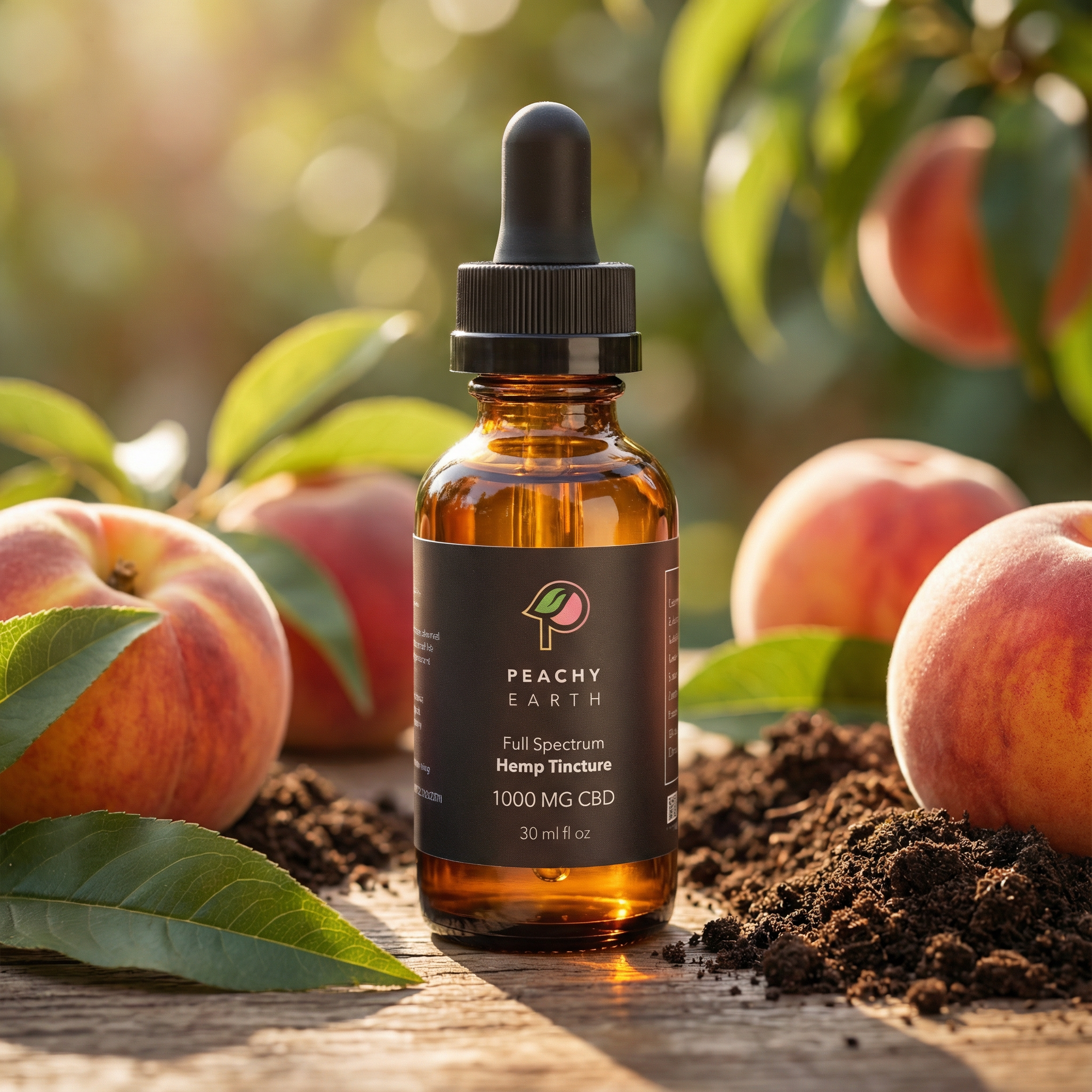
At Peachy Earth, we review third-party lab reports for the products we carry. You can find a COA linked on the Full Spectrum CBD Tincture product page, and our product descriptions include lab-report information when available.
That transparency matters because “plant-based” should not mean “just take our word for it.”
Can scent help you choose a hemp product?
Absolutely, as a personal filter.
If bright, fresh aromas appeal to you, you might look for a citrus-forward profile with notes associated with limonene or ocimene.
If floral scents are more your speed, linalool or terpinolene may be part of the profile you enjoy.
If you prefer something earthy, woody, peppery, or outdoorsy, myrcene, humulene, pinene, or beta-caryophyllene may catch your attention.
Just keep the distinction clear: preference is not proof.
A citrus aroma does not guarantee a particular mood. A floral aroma does not guarantee sleep. An earthy aroma does not guarantee relaxation. Terpenes can help you choose a sensory experience, but they are not a crystal ball.
You can also explore terpene aromas outside of hemp. Try smelling a fresh tea, twisting a piece of citrus peel, rubbing rosemary between your fingers, or opening a jar of black pepper. Your nose may notice more than you expect.

The bottom line
Terpenes are natural aromatic compounds found in hemp, cannabis, and many everyday plants. In hemp, they’re made in the same trichomes as cannabinoids, and they help shape a product’s scent and flavor.
They’re also part of the ongoing entourage effect discussion, but the science is still early, mixed, and developing. Most evidence comes from laboratory and preclinical research, while well-designed human studies remain limited.
So when you’re comparing hemp gummies for sleep, CBD gummies for relaxation, tinctures, or other plant based wellness products, use terpene information as one helpful piece of the puzzle. Notice what aromas you enjoy. Look for clear labeling. Check whether third-party testing is available. Then keep your expectations grounded.
That’s the real terpene takeaway: follow your nose, stay curious, and shop with enough information to feel confident.
A quick note for adults 21+: Hemp and cannabis products can affect people differently. Follow the product label, avoid combining products with alcohol or other substances, and do not drive or operate machinery after using intoxicating cannabinoids. Keep products away from children and pets, and talk with a qualified healthcare professional if you have questions about interactions or personal use. This article is educational only and is not medical advice.
Further reading: Cannabis Training University’s overview of common terpenes, a review of cannabis terpenes and trichomes, and Drexel University’s summary of emerging human research on THC and limonene.